A Local Roofer’s Maintenance Guide for Rubber Flat Roofing Systems
Rubber flat roofs have become a staple across commercial and residential properties because of their impressive durability, weather resistance, and energy-saving properties. However, even the strongest membrane cannot withstand years of harsh weather without routine care and attention. Partnering with a local roofer ensures that minor wear and tear never escalates into costly structural water damage. By following a consistent maintenance routine, property owners can protect their investments and maximize the lifespan of their roofing systems for decades.
Understand Your Rubber Flat Roofing System
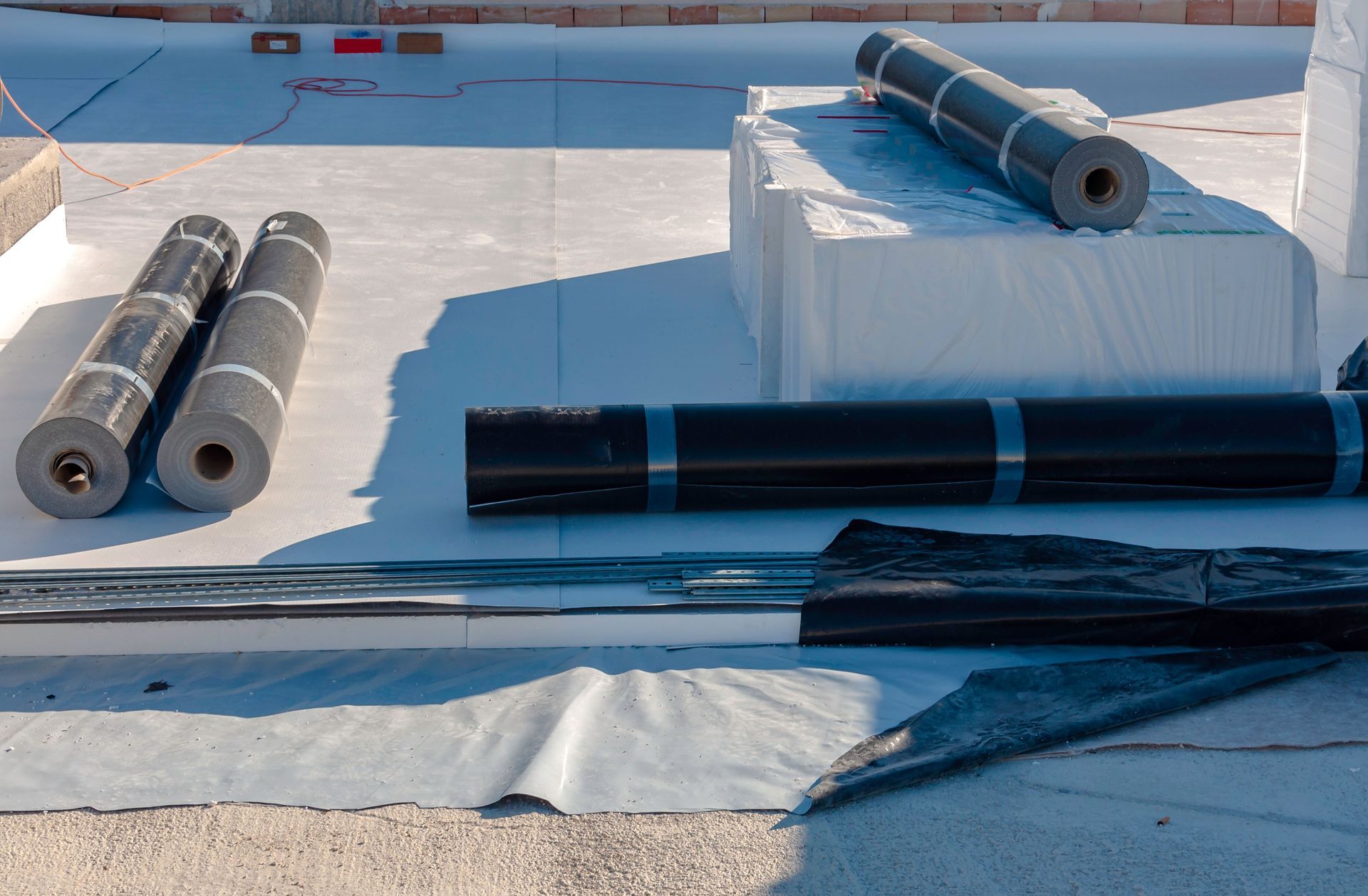
Rubber flat roofing systems primarily rely on two specialized materials known as Ethylene Propylene Diene Monomer and Thermoplastic Polyolefin. Ethylene Propylene Diene Monomer offers remarkable elasticity and resilience against extreme temperature swings, making it a staple for commercial structures. Thermoplastic Polyolefin provides superior heat reflection and energy efficiency, which helps property owners keep cooling expenses manageable during warmer months. Because each membrane reacts differently to sunlight, moisture, and seasonal shifts, knowing which material covers your building allows you to tailor your upkeep strategy effectively. Choosing the right roofing material can significantly enhance the durability and performance of your roof, adapting it to specific climatic conditions while preserving the building's structural integrity.
According to CMR, the worldwide flat roofing industry, encompassing rubber membranes, hit a valuation of $25.4 billion in 2025, with North American installations accounting for 40% of that total. Despite this widespread adoption and proven longevity, rubber roofs remain vulnerable to specific environmental stressors over time. Prolonged sun exposure can cause membranes to shrink and pull away from seams, while foot traffic or fallen branches may create hidden punctures. Recognizing how membranes, insulation layers, flashing, and drainage channels work together helps property owners spot early warning signs before leaks develop inside the building. Proactive maintenance and timely repairs can significantly extend the life span of a rubber roof, ensuring continual protection against the elements.
Schedule Regular Roof Inspections
Routine evaluations form the backbone of any effective flat roof preservation strategy. Property owners should arrange comprehensive checks at least twice every year, ideally during the spring and autumn months. Spring inspections reveal whether freezing temperatures, heavy snow loads, or ice dams caused hidden splits during the winter. Autumn evaluations ensure the membrane and drainage pathways are completely clear and watertight before harsh winter weather arrives. Additional walkthroughs are also wise immediately following severe windstorms, hail, or torrential downpours. Regular inspections not only help prevent costly damage but also provide peace of mind for property owners through each season.
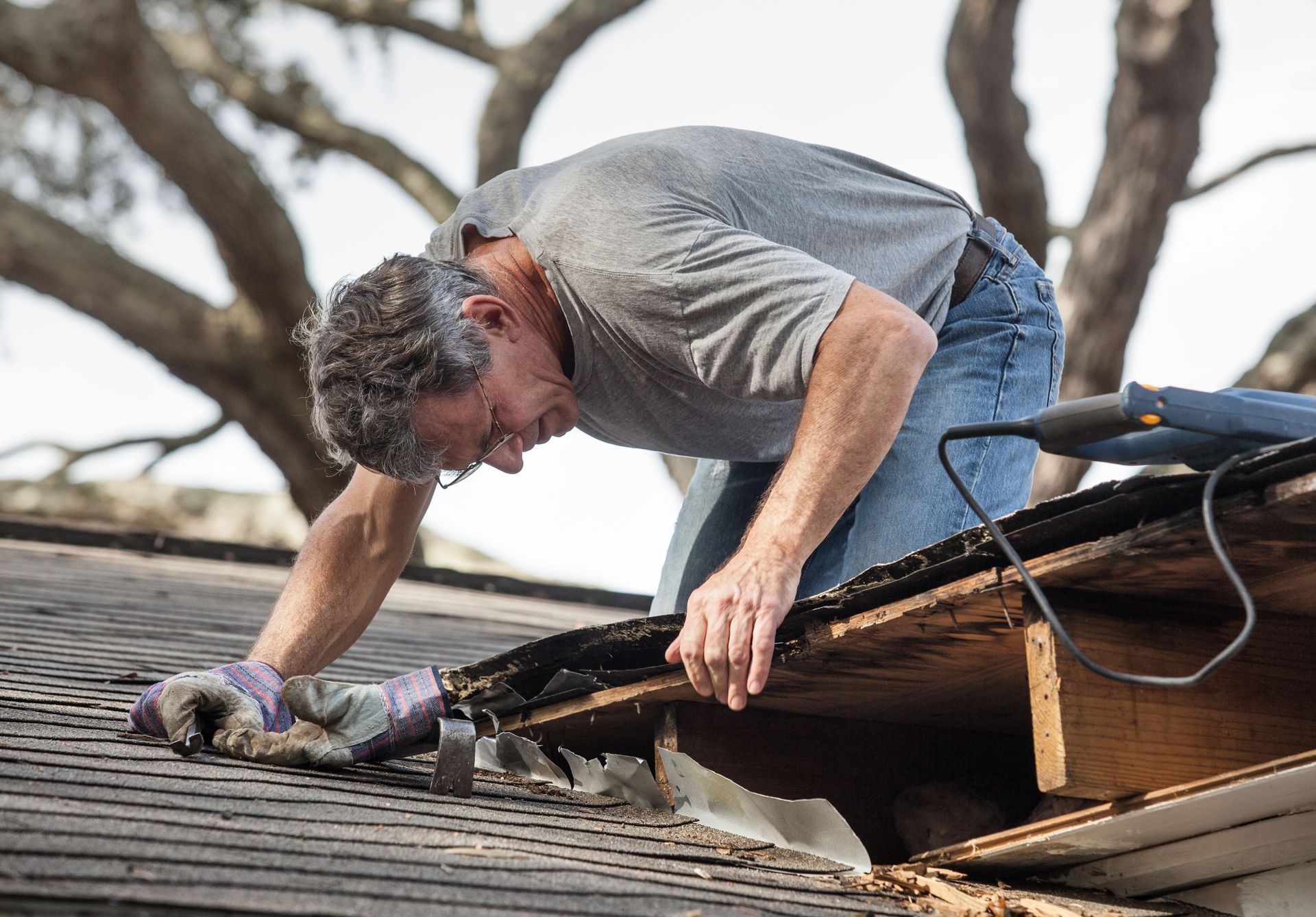
While property owners can safely perform basic visual checks from a secure vantage point, hiring a local roofer delivers a much deeper level of protection. An experienced local roofer brings specialized moisture meters and trained eyes capable of detecting trapped water beneath the membrane that would otherwise go unnoticed. During a thorough assessment, inspectors examine seams for separation, check flashing around vents and parapet walls, and look for soft spots or surface bubbling. Documenting these findings with photographs creates a reliable maintenance history that simplifies future repairs and supports warranty or insurance claims.
Clean the Membrane Surface Gently
Keeping a rubber roof free from organic debris is one of the simplest ways to prevent premature deterioration. Leaves, twigs, dirt, and windblown trash naturally accumulate on low-slope surfaces, trapping moisture against the membrane and encouraging algae or moss growth. Over time, standing organic matter breaks down and degrades the protective surface while blocking vital water runoff pathways. Clearing debris seasonally preserves the reflective properties of white membranes and prevents unnecessary weight from building up on the roof deck.
When cleaning the surface, always use gentle tools that will not scratch, gouge, or tear the rubber material. A soft-bristle push broom works well for sweeping away loose leaves and twigs without stressing the seams. For stubborn grime or biological growth, wash the area using clean water and a mild, non-abrasive detergent recommended by the membrane manufacturer. Never use harsh chemical solvents, stiff wire brushes, or high-pressure washers, as forceful water jets can slice through rubber sheets and force moisture underneath sealed edges.
Maintain Proper Drainage and Prevent Ponding Water
Flat roofs are engineered with a subtle pitch to direct rainwater toward scuppers, internal drains, or perimeter gutters. When these channels become clogged with leaves or sediment, water begins pooling on the surface, a condition industry professionals call ponding water. If standing water remains on your roof for more than forty-eight hours after rainfall, the added weight puts immense strain on the underlying structural deck. Prolonged ponding also accelerates ultraviolet degradation and increases the likelihood of water seeping through microscopic seam imperfections.
Inspecting and clearing all drains, downspouts, and scuppers should be a top priority during every maintenance visit. Remove any accumulated leaves or silt from strainer baskets and confirm that water flows freely away from the building foundation. If you notice persistent low spots where water collects even when drains are clear, consult a local roofer promptly. A qualified local roofer can evaluate the underlying insulation for saturation and install tapered insulation crickets or auxiliary drains to restore proper water runoff.
Seal Seams and Apply Protective Coatings
The seams, joints, and flashing points represent the most vulnerable areas of any rubber roofing assembly. Because flat roofs expand and contract daily with fluctuating outdoor temperatures, adhesives and sealants gradually lose their elasticity over the years. Regularly checking perimeter flashing, pipe boots, and membrane overlaps allows you to catch peeling edges before wind-driven rain penetrates the building envelope. Reapplying manufacturer-approved seam tape or liquid sealants keeps these critical transition zones completely watertight.
Beyond targeted seam repairs, applying a specialized protective coating can significantly extend the service life of an aging rubber roof. Silicone and acrylic elastomeric coatings create a seamless, monolithic barrier over the existing membrane that shields against harsh ultraviolet rays and extreme weather. These reflective coatings also lower roof surface temperatures during summer, reducing thermal shock and lowering indoor air conditioning demands. Asking a local roofer to evaluate your membrane condition will help you determine the ideal coating chemistry and reapplication schedule for your specific climate.
Restrict Unnecessary Foot Traffic
Although rubber membranes are engineered to withstand normal weather conditions, they are not designed to serve as regular walkways or storage areas. Every time technicians service rooftop HVAC units, satellite dishes, or exhaust fans, dropped tools or sharp gravel embedded in shoe soles can puncture the surface. Even small pinholes allow rainwater to slowly saturate the underlying insulation, leading to hidden rot, mold growth, and compromised thermal performance.
Establishing clear rooftop access rules protects your membrane from accidental physical damage. Require all maintenance personnel and outside contractors to sign in before accessing the roof and remind them to wear soft-soled shoes. Installing designated rubber walkway pads between roof hatches and mechanical equipment provides a durable path that absorbs foot traffic and shields the primary membrane underneath. Whenever major equipment repairs take place, having a local roofer inspect the surrounding area afterward ensures any accidental scuffs or punctures are patched immediately.
Protecting a rubber flat roof requires steady attention, seasonal cleaning, and timely professional care. By staying ahead of drainage blockages, seam wear, and surface debris, you can avoid disruptive leaks and maximize the return on your roofing investment. When you need dependable inspections, preventative upkeep, or expert repairs from a reliable local roofer, reach out to the experienced team at Haralson Roofing. Contact Haralson Roofing today to schedule your comprehensive roof evaluation and keep your property protected year-round.