4 Benefits of TPO Roofing: What Experts Say
In the world of roofing, Thermoplastic Olefin (TPO) has carved out a notable place due to its cost-effectiveness and performance features. As the construction industry prioritizes energy efficiency and sustainable materials, TPO's role becomes even more significant. With its growing popularity, there's a compelling need to explore its various characteristics. This article delves into the benefits, durability, and long-term performance of TPO roofing through the lens of professional roofers. Together, we'll uncover why TPO is hailed as a revolutionary advancement in the roofing domain.
1. TPO Roofing Background
Composition and Material Properties
TPO roofing systems are composed of a blend of different rubber materials, offering unique physical properties. This combination enhances the roof's ability to resist UV radiation, ozone exposure, and chemical degradation. Known for its flexibility and strength, TPO membranes also have high puncture resistance. One of the standout features of TPO is its capacity to remain durable in various environmental conditions, making it a versatile choice for diverse climates. Additionally, the material's intrinsic properties contribute significantly to its reflective abilities, aiding in energy efficiency.
The Process of Manufacturing
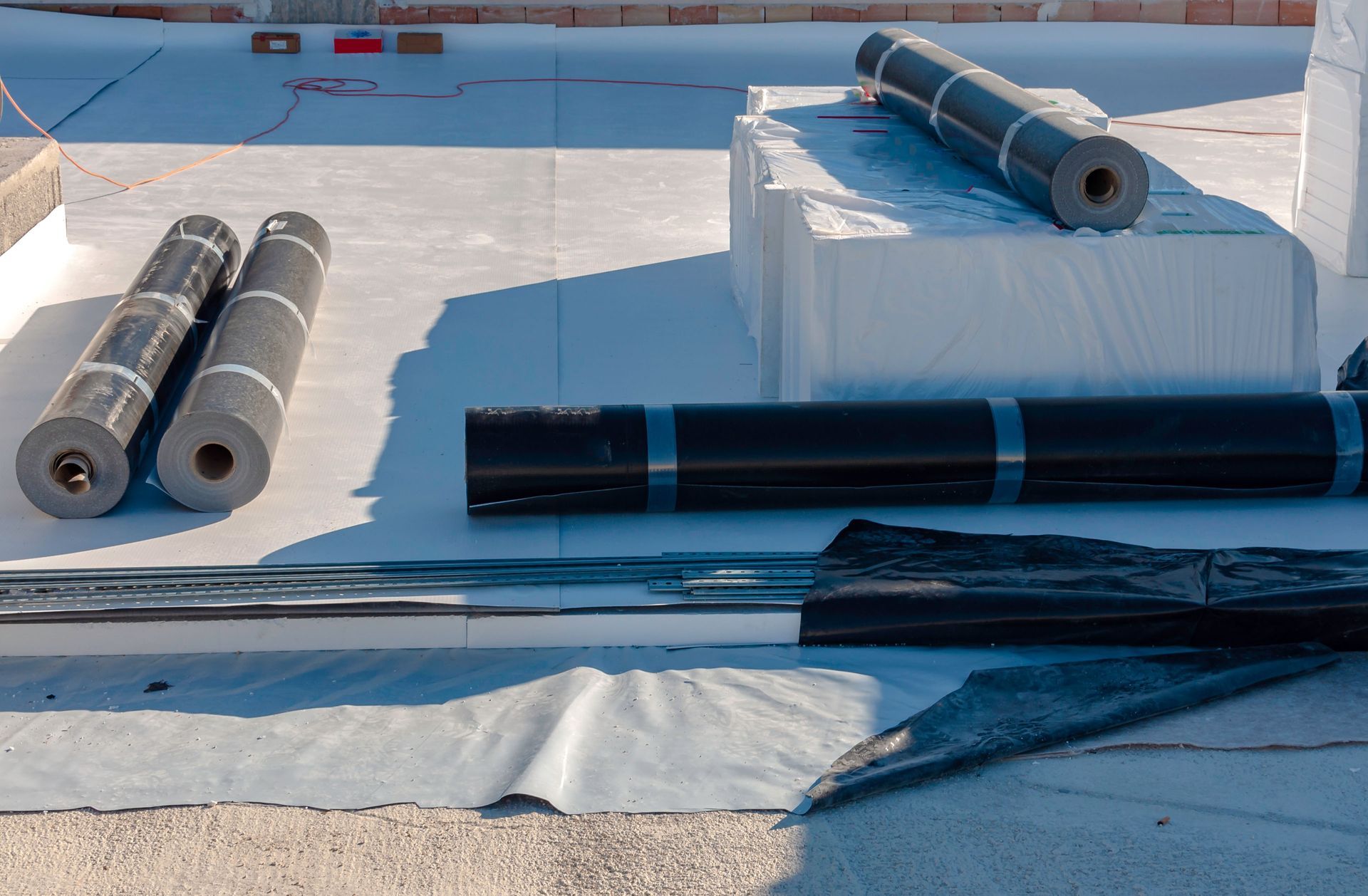
The manufacturing process of TPO involves reinforcing compounds with a fabric scrim for added strength. This process allows for the production of wide sheets, minimizing seams and thereby enhancing waterproofing effectiveness. Manufacturers use heat welding to join sheets, ensuring strong, durable seams that outlast traditional adhesives. TPO's robust manufacturing technique contributes to its growing demand, with projections identifying it as the fastest-climbing roofing category expected to reach a 6.84% CAGR by 2025, according to Mordor Intelligence. This sophisticated manufacturing process is a cornerstone of TPO's superior performance and longevity.
Types and Color Options
TPO roofing is available in different types, including reinforced and non-reinforced varieties, each catering to specific application needs. Color options mainly include white, gray, and tan, though customization is possible to match aesthetic preferences. The choice of color impacts the roof's solar reflectance and energy efficiency, with white being the most reflective. This variety in color and type allows TPO to be versatile and adaptable to both commercial and residential buildings. The flexibility in design and appearance contributes to its widespread appeal among architects and builders.
2. Benefits of TPO Roofing
Environmental Impact
TPO roofing systems are noted for their eco-friendly attributes, aligning with the green building movement. The material's composition avoids harmful chemicals, promoting a lower environmental footprint. Furthermore, TPO is fully recyclable at its end of life, contributing to sustainable construction practices. Roofers report that TPO's energy efficiency helps reduce the overall carbon emissions of buildings. By choosing TPO, stakeholders support not just building performance but also environmental conservation goals.
Ease of Installation
Installing TPO roofs is relatively straightforward, thanks to the material's lightweight and flexible nature. Roofers appreciate the wide widths of TPO sheets, which reduce the number of seams and simplify the installation process. The use of heat-weld technique for seams, as opposed to adhesives, results in quicker and more reliable installations. This ease and speed translate into lower labor costs and shorter project timelines. The user-friendly nature of TPO installation is often highlighted as a pivotal benefit by contractors.
Versatility and Aesthetics
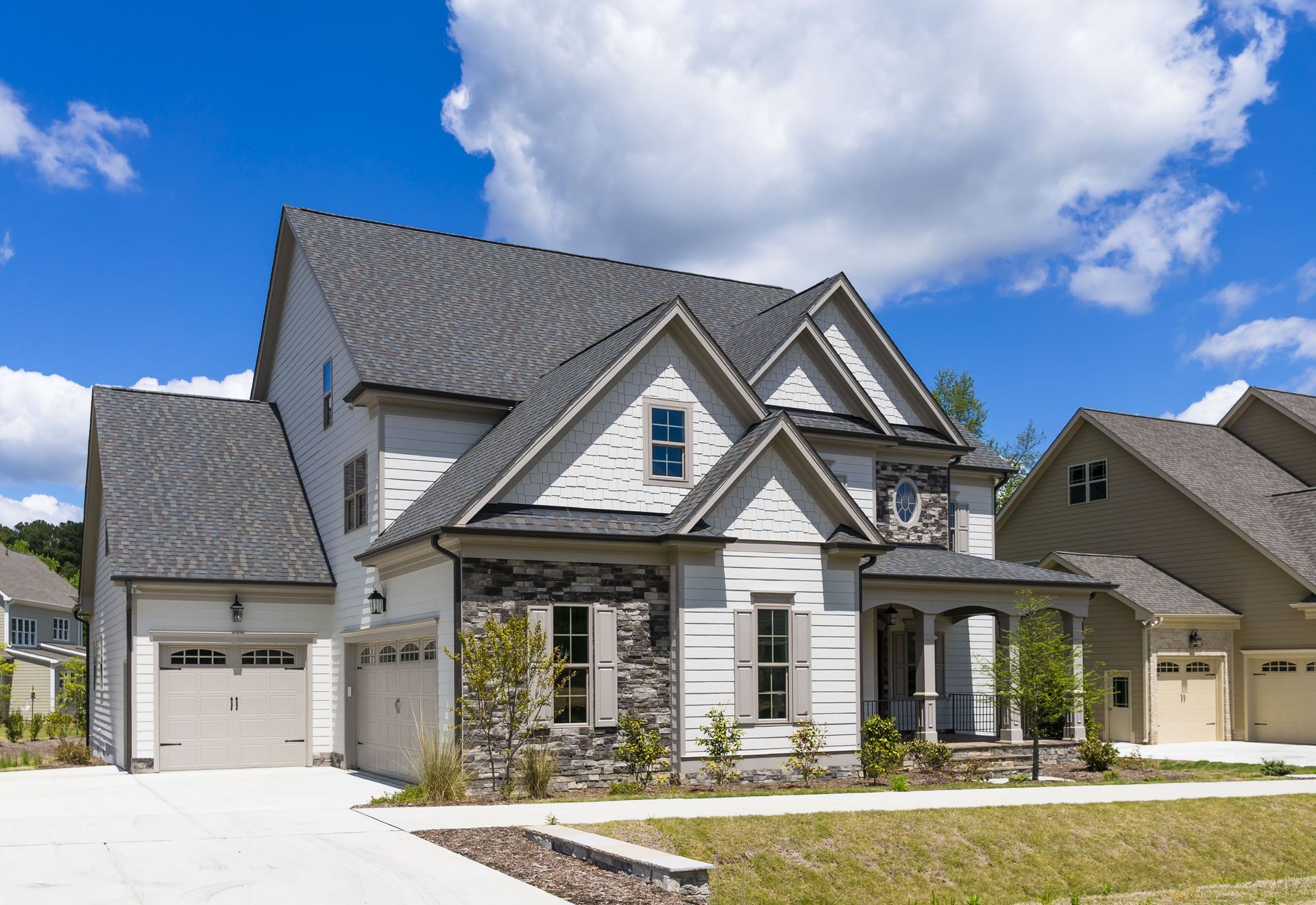
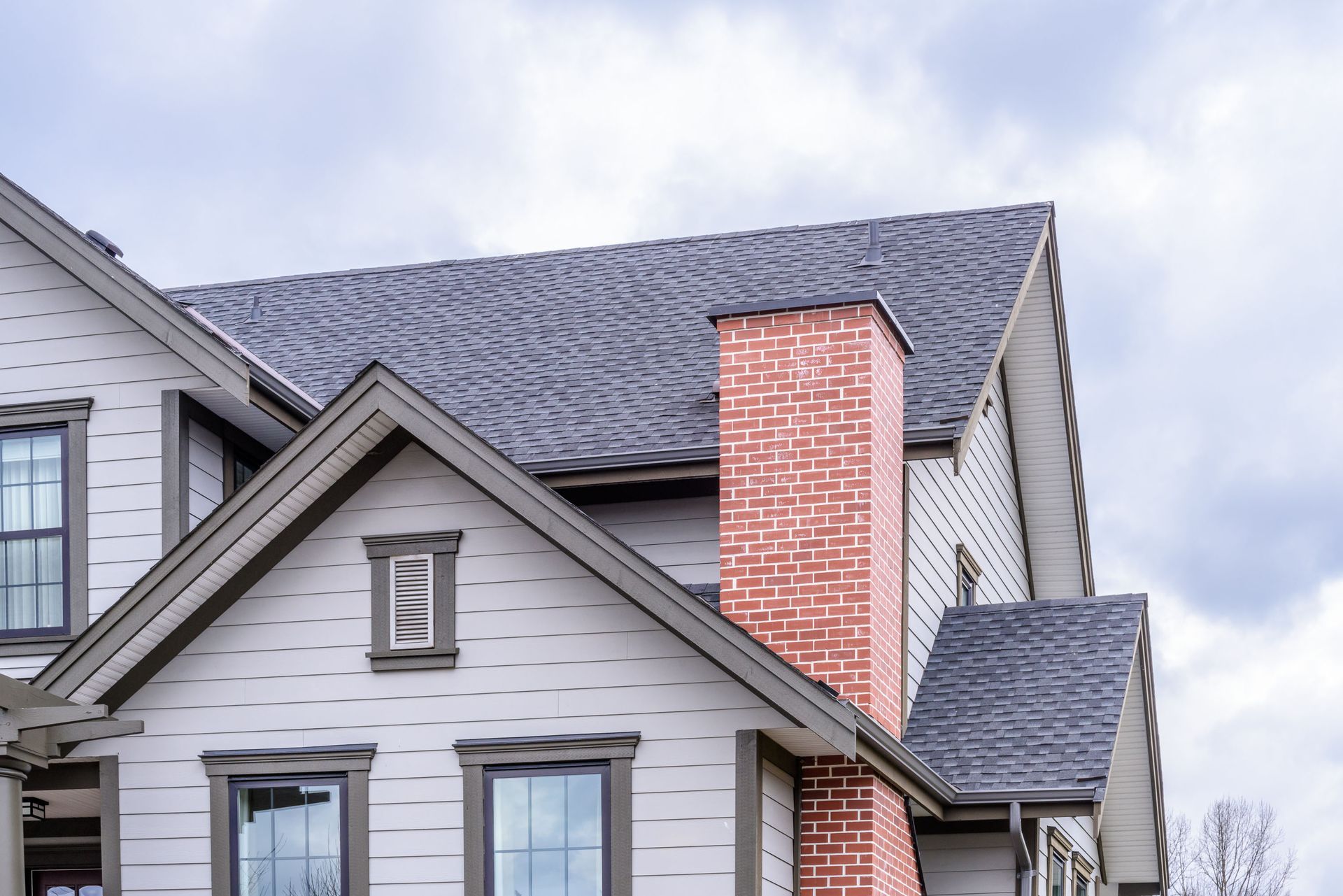
The design flexibility and aesthetic options of TPO roofing are substantial selling points for both commercial and residential projects. Its ability to integrate seamlessly with various architectural styles enhances its marketability. The availability of multiple color options allows TPO to complement a wide range of building designs, adding visual appeal. Roofers highlight that despite its practical benefits, TPO does not compromise on aesthetics. Its versatility in application affirms its status as a preferred roofing material across diverse projects.
3. Durability of TPO Roofs
Weather Resistance
Among TPO's most lauded features is its remarkable weather resistance, which ensures long-term performance across varying climates. It withstands extreme temperatures, both hot and cold, without compromising its structural integrity. Roofers indicate that TPO performs exceptionally well in rainy environments due to its waterproof properties. The material's resistance to hail damage provides peace of mind to building owners concerned about severe weather events. TPO's durability in adverse weather conditions underscores its reputation as a reliable roofing choice.
Resistance to Chemicals and Pollutants
In industrial settings, exposure to chemicals and pollutants is a critical consideration when selecting roofing materials. TPO roofs boast excellent resistance to a broad spectrum of substances, from industrial effluents to environmental pollutants. Roofers report minimal incidences of chemical-induced damage on TPO installations, even in harsher environments. This chemical resilience translates into reduced maintenance needs and longer service life. Consequently, TPO is a top choice among industrial and commercial properties seeking durable roofing solutions.
Quality Control in Manufacturing
Robust quality control measures in TPO roofing manufacturing play a crucial role in ensuring product durability and reliability. Stringent testing and quality checks during the production process guarantee that each TPO sheet meets high-performance standards. Roofers are confident in the consistency and quality of TPO materials due to these controlled manufacturing protocols. The assurance of top-tier quality contributes to TPO's trust within the roofing industry. Such rigor in production is a testament to the commitment of manufacturers to provide durable and dependable roofing products.
Longevity and Warranty Coverage
TPO roofing boasts an impressive lifespan, often exceeding two decades with proper maintenance. Manufacturers typically offer extensive warranties, reflecting confidence in TPO's long-term durability. Roofers emphasize the importance of routine inspections and upkeep to maximize the lifespan of TPO installations. Comprehensive warranties not only offer protection but also enhance customer trust in TPO roofing systems. The combination of longevity and solid warranty options makes TPO an attractive investment for property owners.
4. Long-term Performance Insights from Roofers
Installation Experiences
Roofers have shared invaluable insights based on numerous TPO installations over the years. Consistently, they report that TPO is a material that balances ease of installation with long-term performance. The refined heat-welding process for seams ensures a robust assembly, significantly reducing the risk of leaks. Experienced roofers often highlight TPO's reliability post-installation, noting fewer callbacks or maintenance issues compared to other systems. These insights affirm the collective industry confidence in TPO as a long-lasting roofing solution.
Maintenance Requirements
Roofs invariably require maintenance, and TPO's low-maintenance needs are a substantial draw for property managers. Regular cleaning and periodic inspections, such as checking seams and flashings, suffice to maintain performance. Roofers observe that despite its low-maintenance nature, preventative checks can preempt possible issues, thus extending roof life. This ease of upkeep is frequently cited as a significant factor in customer satisfaction. By minimizing upkeep, TPO stands out as an advantageous option for resource-conscious building owners.
Common Issues and Solutions
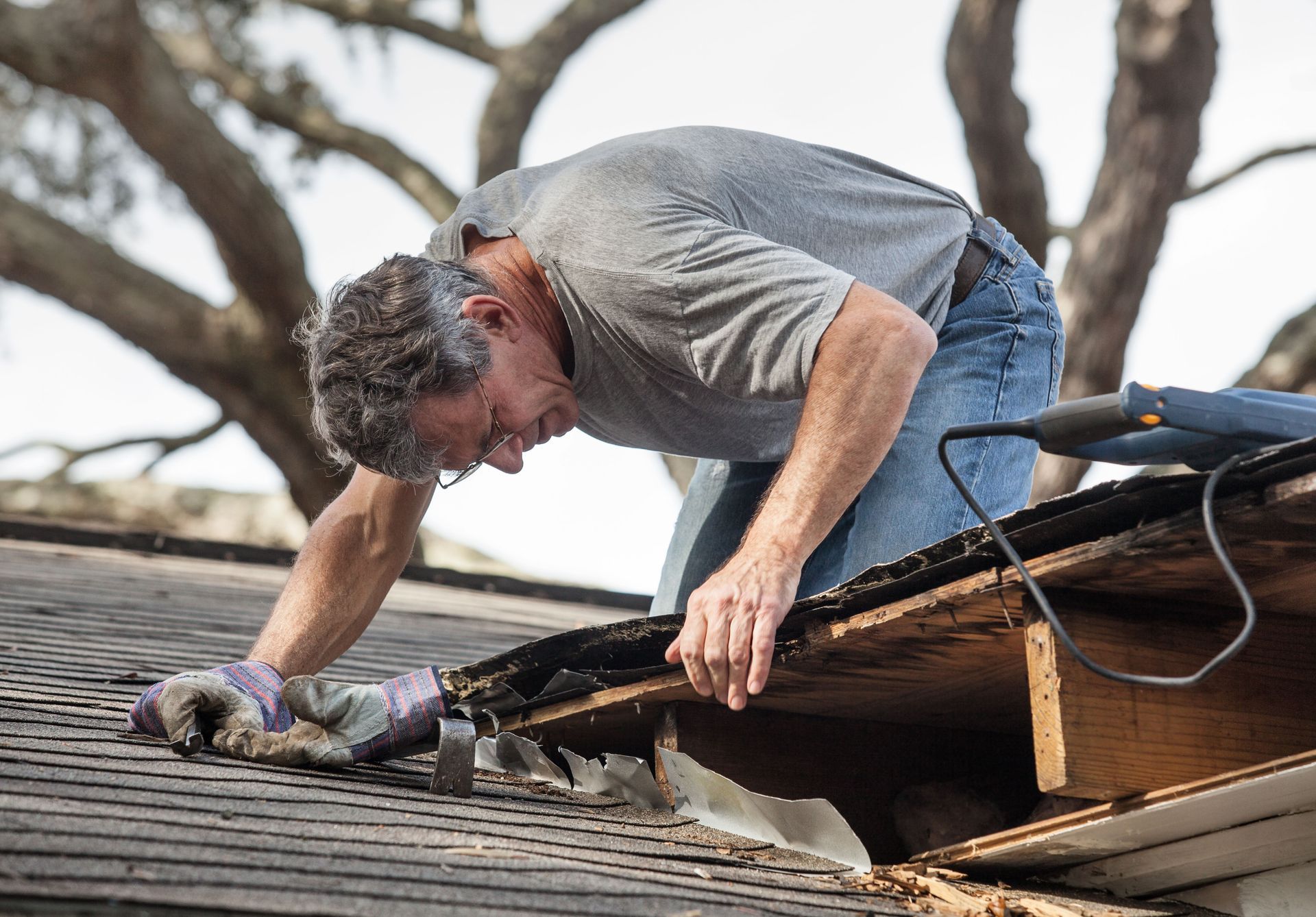
Despite its robustness, TPO roofing can face challenges, primarily related to installation errors or extreme weather. Roofers often encounter issues such as seam separation, easily addressed through expert re-welding. In environments with extreme UV exposure, slight material shrinkage can occur, although this is rare and easily managed with maintenance. Proper installation by skilled professionals prevents most problems from arising initially. The key is in balancing the material's benefits with informed, proactive management.
Customer Satisfaction and Feedback
Customer feedback plays a pivotal role in the enduring success of TPO roofing. Building owners frequently express satisfaction with the noticeable reduction in energy costs and improved indoor comfort. The visual appeal coupled with practical benefits like water resistance aligns TPO closely with customer expectations. Roofers share that positive word-of-mouth has significantly bolstered TPO's reputation and market penetration. The alignment between promises and deliveries cements TPO roofing as a highly recommended investment.
TPO roofing stands at the forefront of modern roofing solutions, embodying an ideal fusion of performance, cost-effectiveness, and sustainability. Roofers' insights and experiences reaffirm its benefits, boasting longevity and minimal environmental impact. Despite challenges, TPO continues to adapt, driven by innovation and evolving trends in construction. For stakeholders considering adopting TPO, its robust track record and promising future offer a compelling reason to invest. Through ongoing advancements and learning, TPO roofing paves the way for a sustainable and efficient built environment. If your business is looking for a roofing partner with TPO roofing expertise, reach out to Haralson Roofing today!