Roof Repair Contractor Tips: Identifying EPDM Membrane Damage, Seam Failures, and Ponding Issues
Maintaining a commercial flat roofing system requires diligent oversight and a deep understanding of the synthetic materials protecting your structure. Ethylene propylene diene monomer, a highly durable synthetic rubber membrane, is widely utilized across the country due to its incredible resilience and flexibility against severe weather conditions. The widespread adoption of this material is evident, as the U.S. EPDM market generated a revenue of USD 945 million in 2024, according to Grandview Research. Despite their robust nature, these rubber roofs are not entirely immune to natural wear and tear caused by constant environmental exposure and standard aging. When unexpected issues arise, property owners must be vigilant and proactive to prevent minor surface deterioration from escalating into significant structural damage. Bringing in a knowledgeable roof repair contractor early in the evaluation process is essential for properly assessing the condition of the rubber membrane. Proper diagnosis can save property managers considerable time and financial resources by pinpointing precise vulnerabilities before they severely compromise the entire roofing system.
Recognizing Early Signs of EPDM Membrane Damage
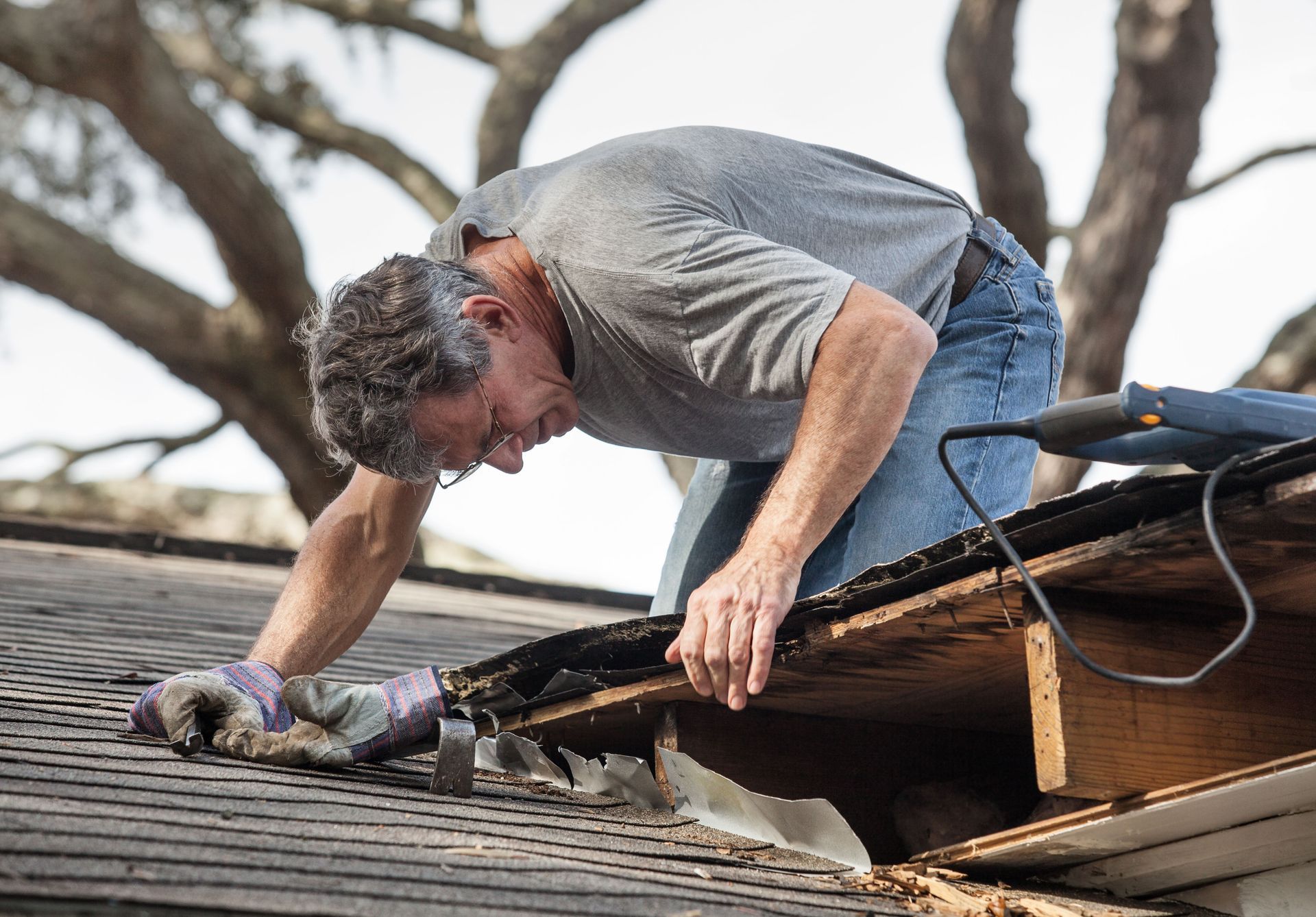
A primary responsibility for commercial facility managers is accurately identifying surface imperfections before they result in widespread moisture infiltration. Over time, constant exposure to harsh ultraviolet radiation, extreme temperature fluctuations, and severe weather events can cause the synthetic rubber material to slowly lose its natural elasticity. When the protective membrane becomes brittle, it is significantly more susceptible to shrinking, cracking, and tearing along the surface. Property owners should routinely inspect the roof area for any visible physical alterations, such as bubbling, blistering, or excessive chalking, which often indicate that the material is deteriorating and rapidly losing its waterproofing capabilities. A highly qualified roof repair contractor possesses the specific expertise required to thoroughly assess the membrane's condition and distinguish between purely superficial blemishes and critical structural threats. They utilize specialized diagnostic techniques to detect hidden moisture pockets and evaluate the overall health of the primary protective barrier. By identifying early warning signs, proactive property managers can implement targeted restorative measures, such as applying specialized elastomeric coatings or carefully patching localized physical damage. These restorative measures extend the functional lifespan of the existing roof without requiring a complete replacement.
Understanding the Causes of Seam Failures
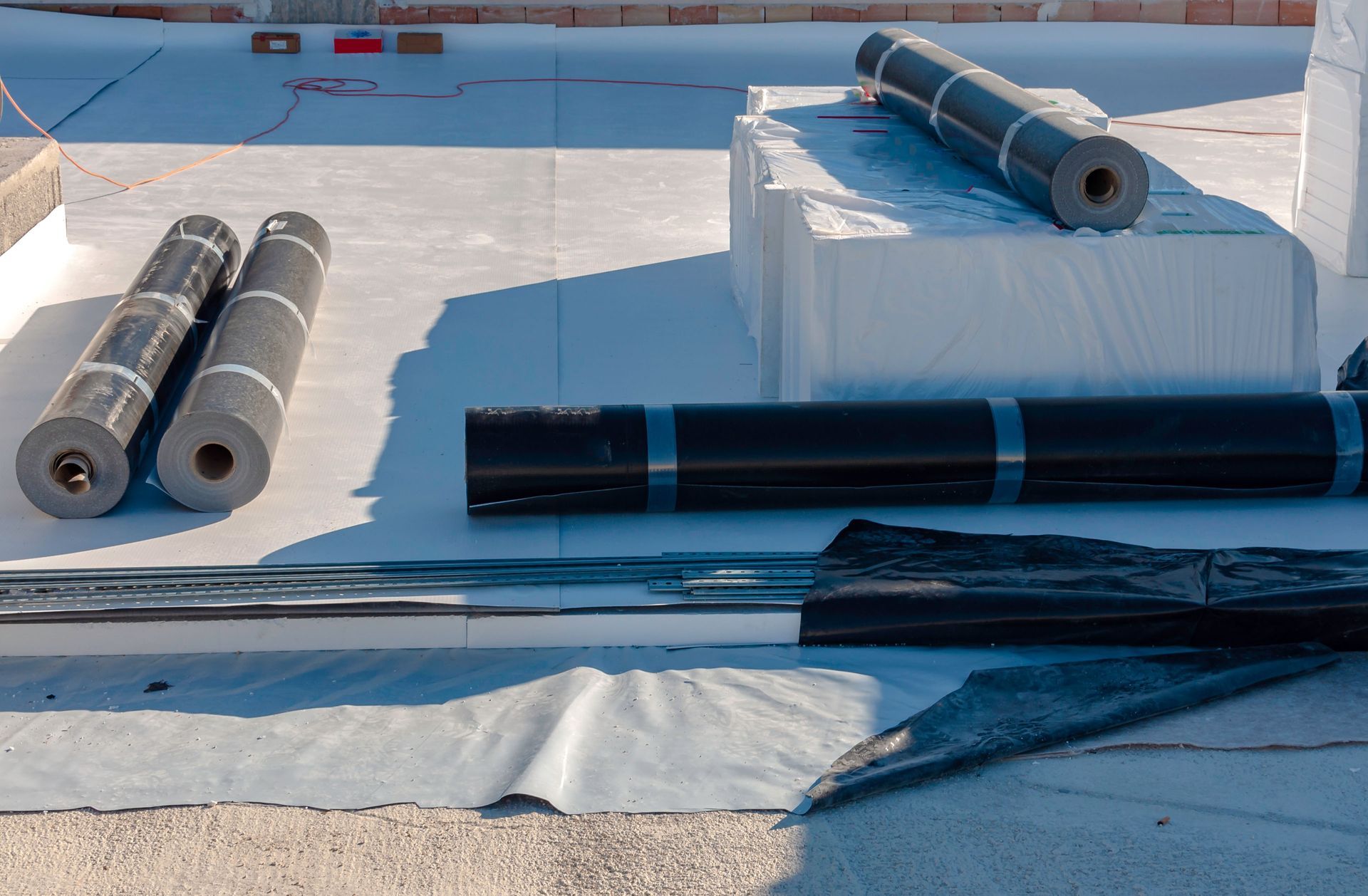
The specific seams where separate sheets of rubber membrane are joined together are inherently the vulnerable areas of any flat roofing installation. These overlapping sections rely heavily on industrial-grade heavy-duty adhesives or specialized seam tapes to successfully create a completely watertight seal that withstands ongoing structural movement and intense environmental stress. However, as the overall roofing system inevitably ages, the underlying adhesives can gradually degrade due to continuous daily exposure to extreme heat, relentless cycles of freezing and thawing, and standing surface moisture. This unfortunate degradation directly leads to the dangerous separation of the overlapping layers, creating a prime opportunity for rain and snowmelt to infiltrate the vulnerable building envelope. Extreme shrinkage of the rubber material itself is another primary culprit behind severely compromised seams. As the synthetic membrane aggressively pulls away from the exterior edges, it places immense physical tension on the bonded areas, eventually causing them to snap or peel apart. Identifying these critical weak points requires a meticulous examination of the entire roof perimeter and all standard field seams. A seasoned roof repair contractor will carefully probe the edges of the various overlaps to actively check for any significant loss of adhesion or visible lifting. Prompt intervention is absolutely vital when a seam initially begins to fail. Another local roof repair contractor might suggest a full replacement, but experienced professionals can properly clean, prime, and perfectly reseal the compromised joints using high-quality flashing tapes and advanced liquid sealants designed specifically for synthetic rubber commercial applications. This detailed attention to the seams ensures that the watertight integrity of the building is fully restored.
Addressing Severe Ponding Issues on Flat Roofs
Flat commercial structures are uniquely susceptible to ongoing water accumulation, commonly referred to within the industry as ponding. Serious ponding occurs when moisture remains stubbornly on the membrane surface for an extended period following a heavy precipitation event, completely failing to evaporate naturally or drain properly through the designated channels. This stagnant pool of water essentially acts as a giant magnifying glass for harmful ultraviolet rays, accelerating the chemical breakdown of the rubber material situated beneath it. Furthermore, the immense physical weight of the accumulated water places incredible stress on the structural deck and can easily exacerbate existing surface depressions, causing the pooling area to rapidly expand over time. Insufficient overall drainage systems, severely clogged scuppers, or an improper structural slope created during the initial installation phase are the primary drivers of this incredibly persistent issue. Allowing water to sit idle dramatically increases the overall probability of destructive moisture penetrating the seams and entirely compromising the interior thermal insulation. To effectively resolve this frustrating challenge, an experienced roof repair contractor must thoroughly evaluate the existing slope and carefully assess the true efficiency of the current drainage infrastructure. In many common cases, adding specialized tapered insulation boards can successfully redirect the natural flow of moisture directly toward designated internal drains and exterior scuppers. Alternatively, installing supplemental internal drains or widening existing exterior scuppers can drastically improve the standard runoff rate. Addressing poor drainage design permanently prevents moisture from degrading the roofing materials prematurely.
Implementing Proactive Maintenance Strategies
Establishing a highly comprehensive preventative maintenance routine is undoubtedly the most effective long-term strategy for properly preserving the structural integrity and daily performance of a synthetic rubber roofing system. Reactive emergency repairs are consistently significantly more expensive and far more disruptive to daily operations than scheduled, routine upkeep. A truly proactive approach involves carefully scheduling thorough seasonal inspections, typically conducted in the early spring and late fall, to efficiently clear any accumulated environmental debris, diligently check for serious drainage blockages, and comprehensively assess the overall physical condition of the membrane following extreme seasonal weather shifts. Promptly removing fallen leaves, accumulated dirt, and other stray organic material actively prevents stubborn moisture from becoming dangerously trapped against the rubber surface, which can rapidly accelerate physical deterioration and aggressively promote the unwanted growth of destructive algae. During these essential routine evaluations, it is incredibly imperative to closely examine all major roof penetrations, prominently including large heating and cooling units, structural skylights, and various ventilation pipes, as the protective flashing around these specific structures is highly susceptible to severe cracking and eventual separation. Partnering with a dedicated and highly trained roof repair contractor firmly guarantees that these critical structural inspections are actively performed with a uniquely trained eye. They can meticulously document the natural aging process of the membrane, closely track the ongoing progression of minor wear and tear, and consistently provide highly actionable recommendations for ongoing preventative care. Regular maintenance ultimately serves as the best defense against unexpected roofing emergencies.
Safeguarding a commercial facility from the incredibly unpredictable outdoor elements requires a steadfast and unwavering commitment to regular professional inspections and the prompt remediation of any identified structural vulnerabilities. Whether dealing with seemingly minor surface abrasions, failing structural adhesive joints, or persistent water accumulation, taking immediate action is absolutely critical to successfully preventing widespread interior moisture damage. Understanding the unique physical characteristics and potential inherent weaknesses of synthetic rubber membranes allows commercial property owners to consistently make highly informed decisions regarding their ongoing structural care and maintenance budgets. Partnering directly with a trusted local professional ensures that every square inch of the vital protective barrier is thoroughly evaluated and expertly maintained against the elements. If your commercial facility is currently experiencing any troubling signs of membrane degradation or frustrating drainage inefficiencies, do not wait for a minor surface leak to evolve into a major, costly interior disruption. Reaching out to a reputable roof repair contractor can quickly alleviate these pressing concerns and restore the full functionality of your building's exterior envelope. Call Haralson Roofing today to learn more about our highly specialized repair solutions and effectively secure your ultimate peace of mind.